
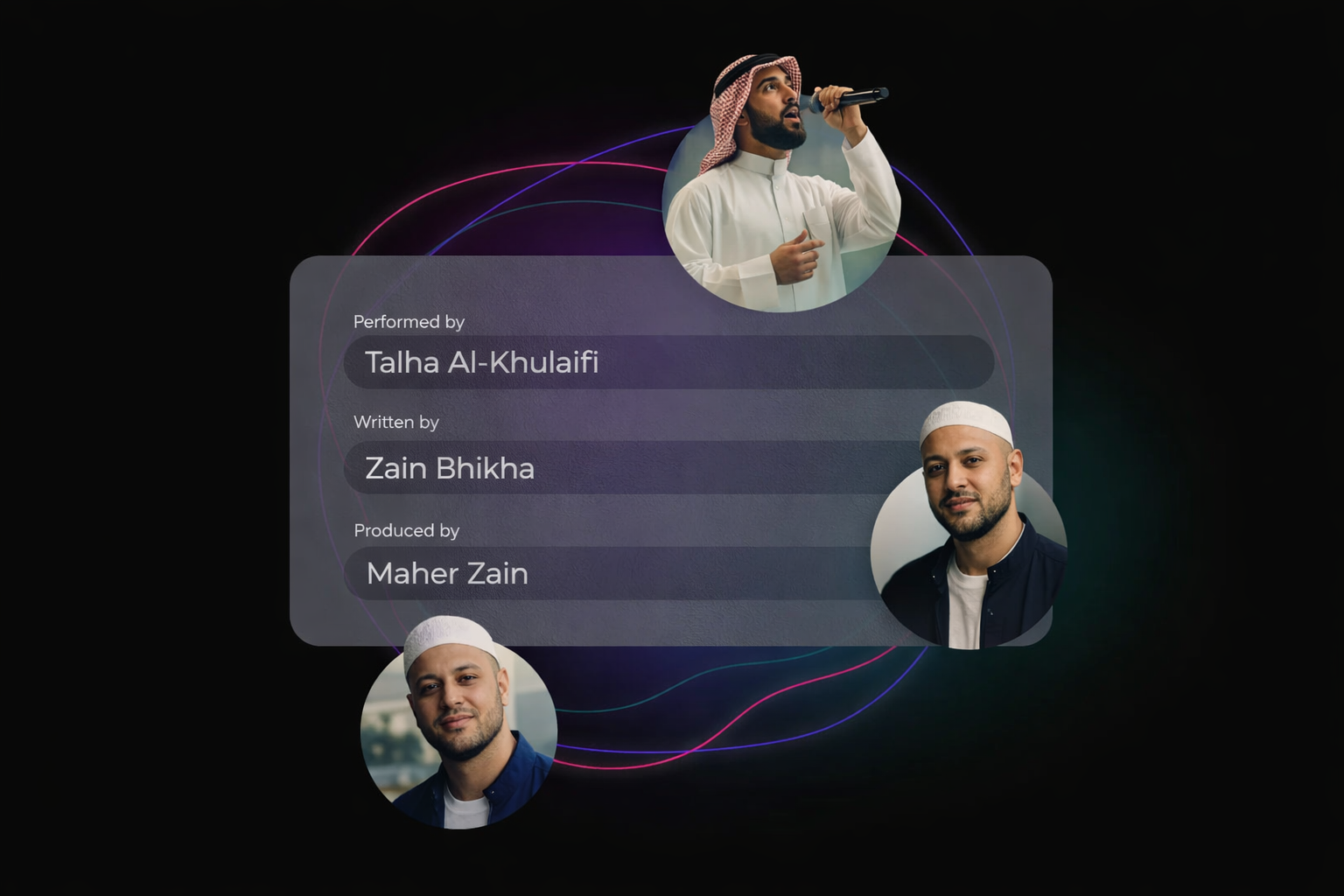
How Music Credit Works in Music Distribution
In today’s digital music ecosystem, crediting music is not just about mentioning the artist name — it is deeply connected to music distribution, ownership, and revenue tracking.
For artists and labels, understanding how credit works across platforms like YouTube, Spotify, and Apple Music is essential to protect rights and ensure proper monetization.
Music Credit vs Music Distribution
There are two major aspects of music credit:
- Manual Credit (YouTube Descriptions): Used by content creators when using someone else's music
- System Credit (Distribution Platforms): Metadata-based ownership tracking via distribution services
Manual Credit Format (For Creators)
When creators use music under licenses like Creative Commons, they must provide attribution in this format:
Song Title by Artist
Link: https://example.com
License: Creative Commons (CC BY)
License Link: https://creativecommons.org/licenses/
This helps avoid copyright issues but does NOT guarantee ownership or monetization.
Limitation of Manual Credit
- Does not protect the original artist
- Does not ensure revenue collection
- Cannot prevent unauthorized usage
Real Solution: Music Distribution + Content ID
Professional music distribution platforms solve this problem by registering your music with global systems like YouTube Content ID.
- Automatically detects your music in videos
- Tracks usage worldwide
- Monetizes your content without manual credit
- Protects ownership rights
How It Works
- Your track is uploaded via a distribution platform
- Metadata (artist, title, ISRC) is registered globally
- YouTube scans videos using Content ID
- Revenue is automatically assigned to you
Why This Matters for Artists & Labels
Instead of relying on creators to give proper credit, distribution ensures your music is recognized and monetized automatically.
Prime Digital Arena Advantage
With Prime Digital Arena, artists get:
- Global music distribution
- YouTube Content ID protection
- Advanced rights management
- Accurate royalty tracking
This means your music is protected beyond simple attribution.
Final Thoughts
While manual credit is important for creators, true protection and monetization come from professional music distribution.
If you're serious about your music career, focus on ownership, not just attribution.